01What the service includes
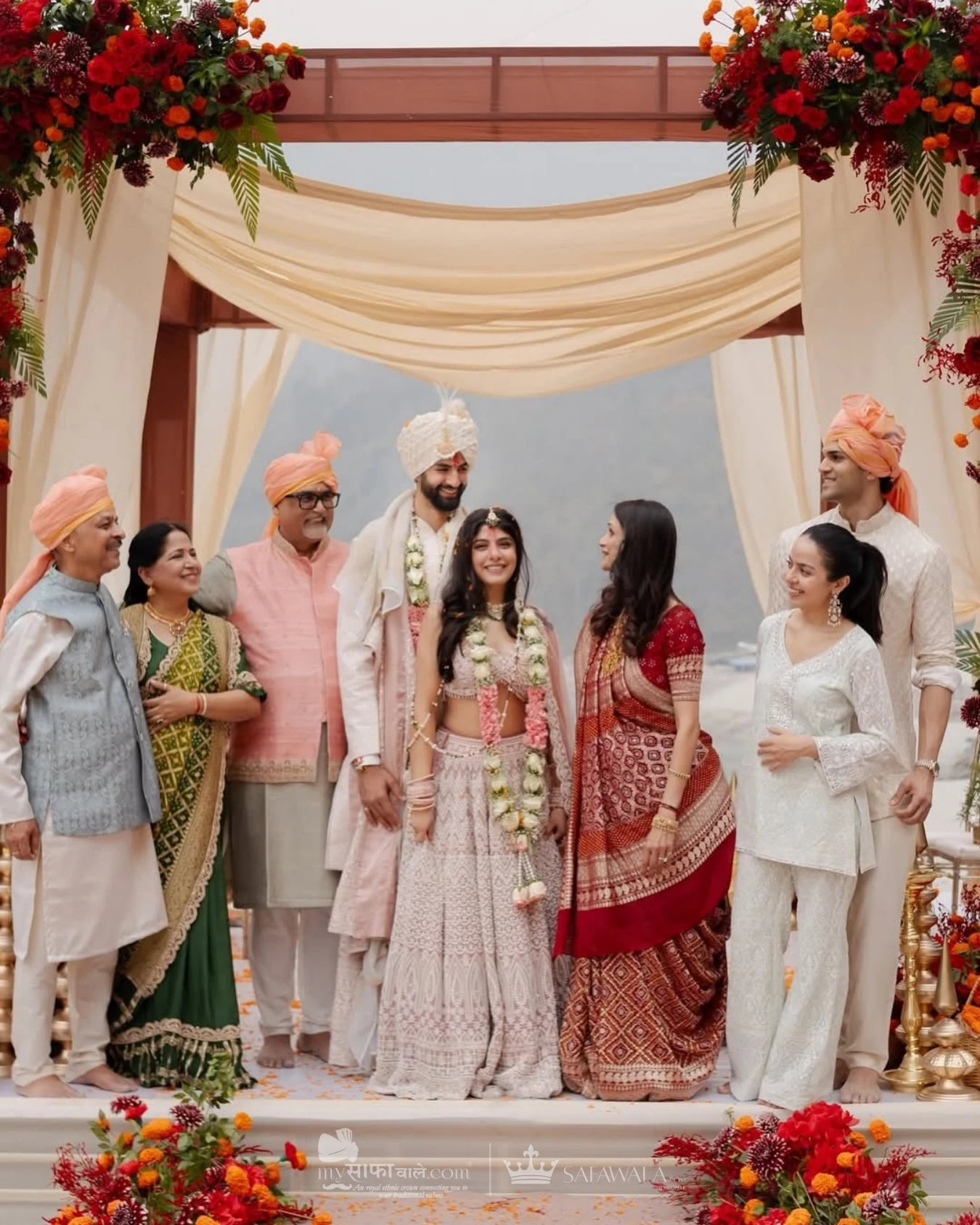
A wedding safa service in Kenya needs to work around the actual venue, guest count and ceremony timing, not a generic city-wide slot. We plan the groom's session separately from family and baraati batches so nothing holds up the procession.
02Styles, colours and finishing
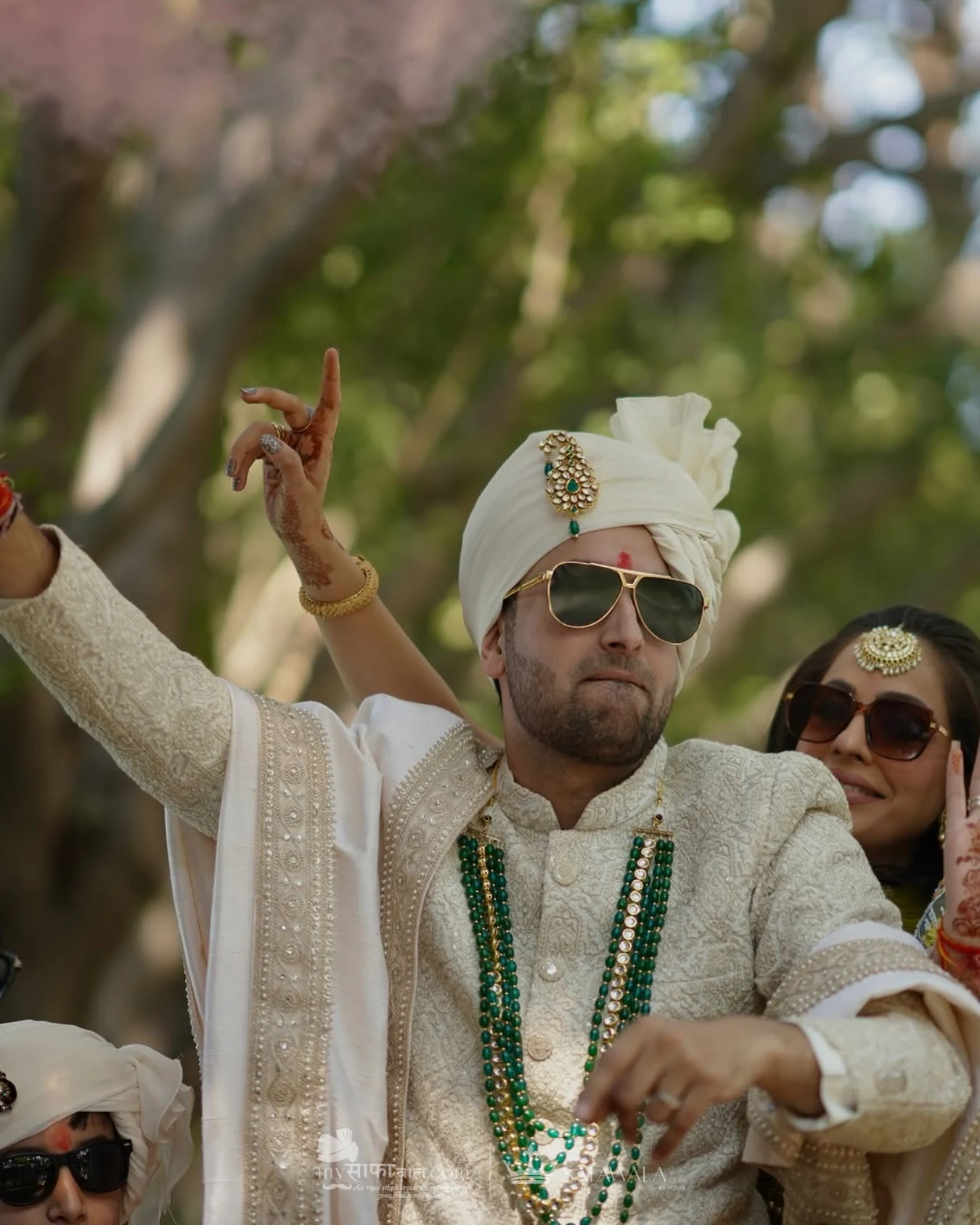
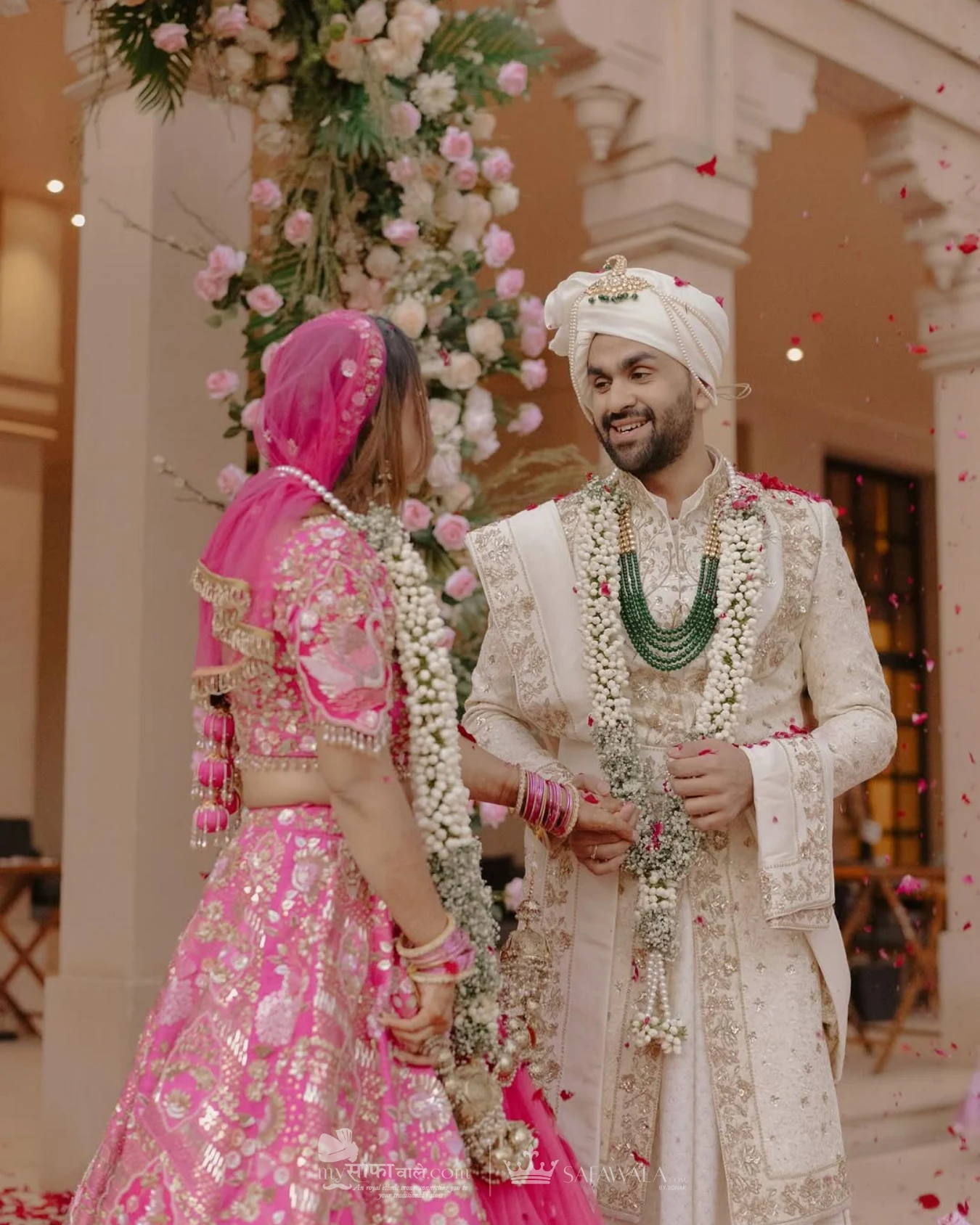
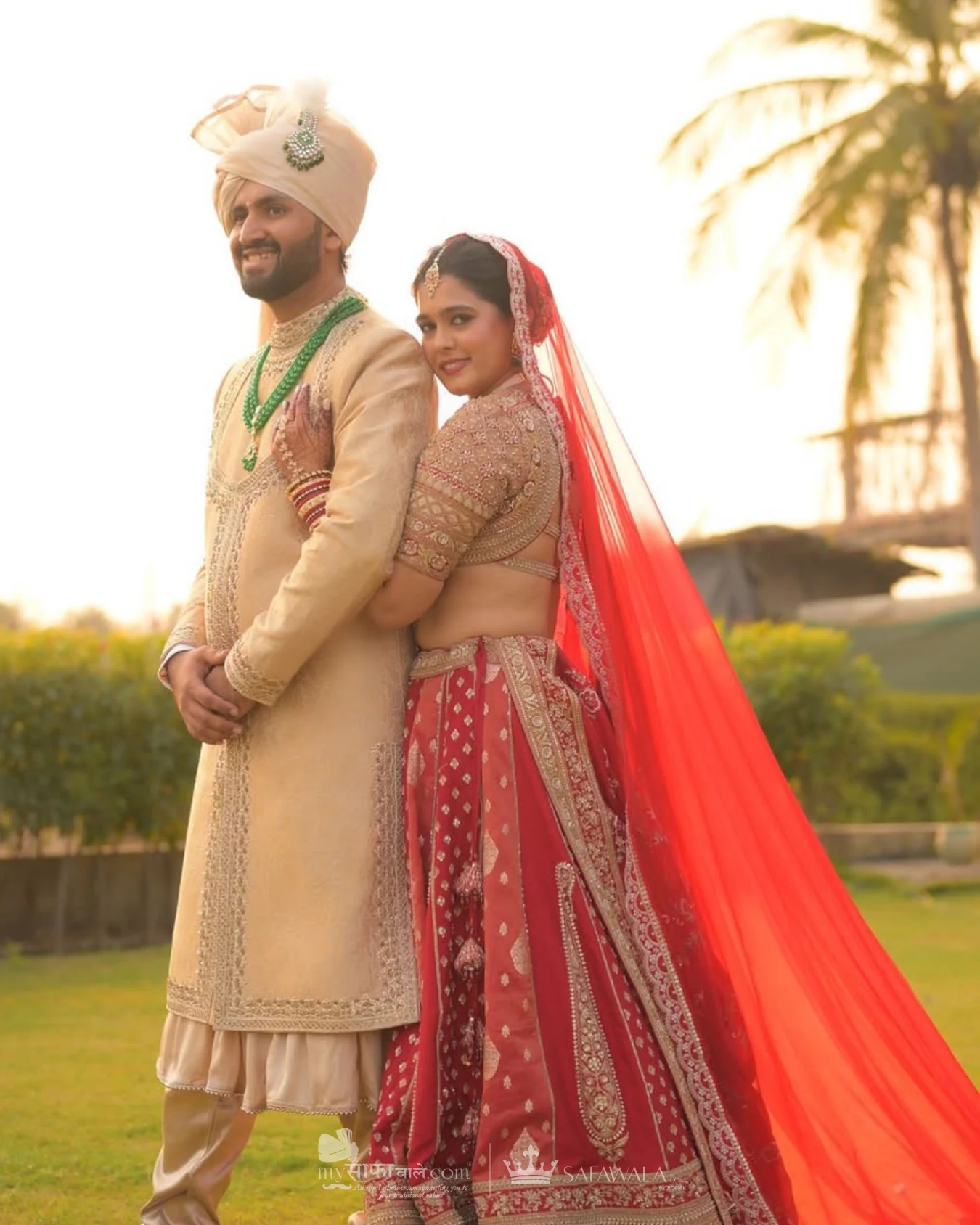
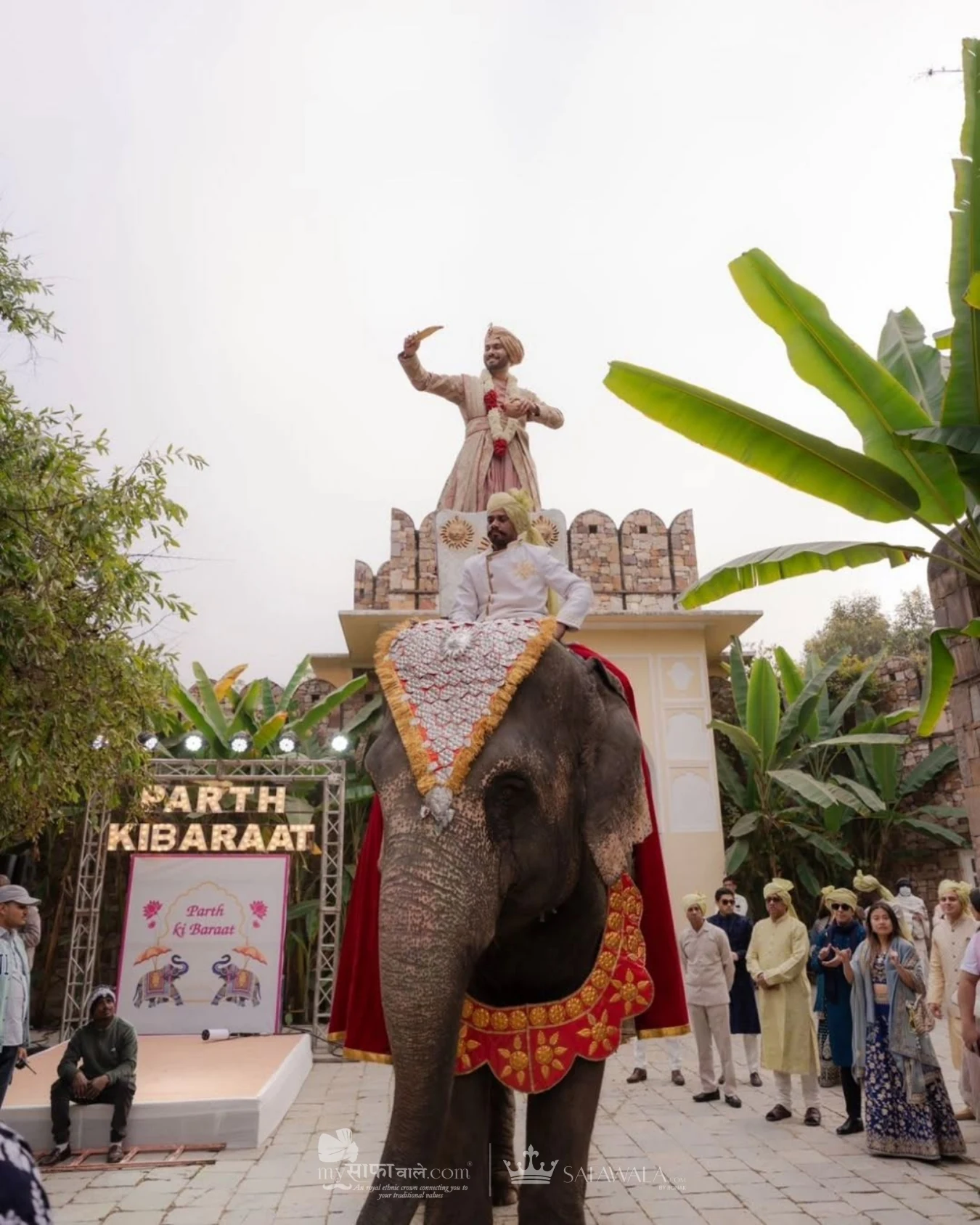
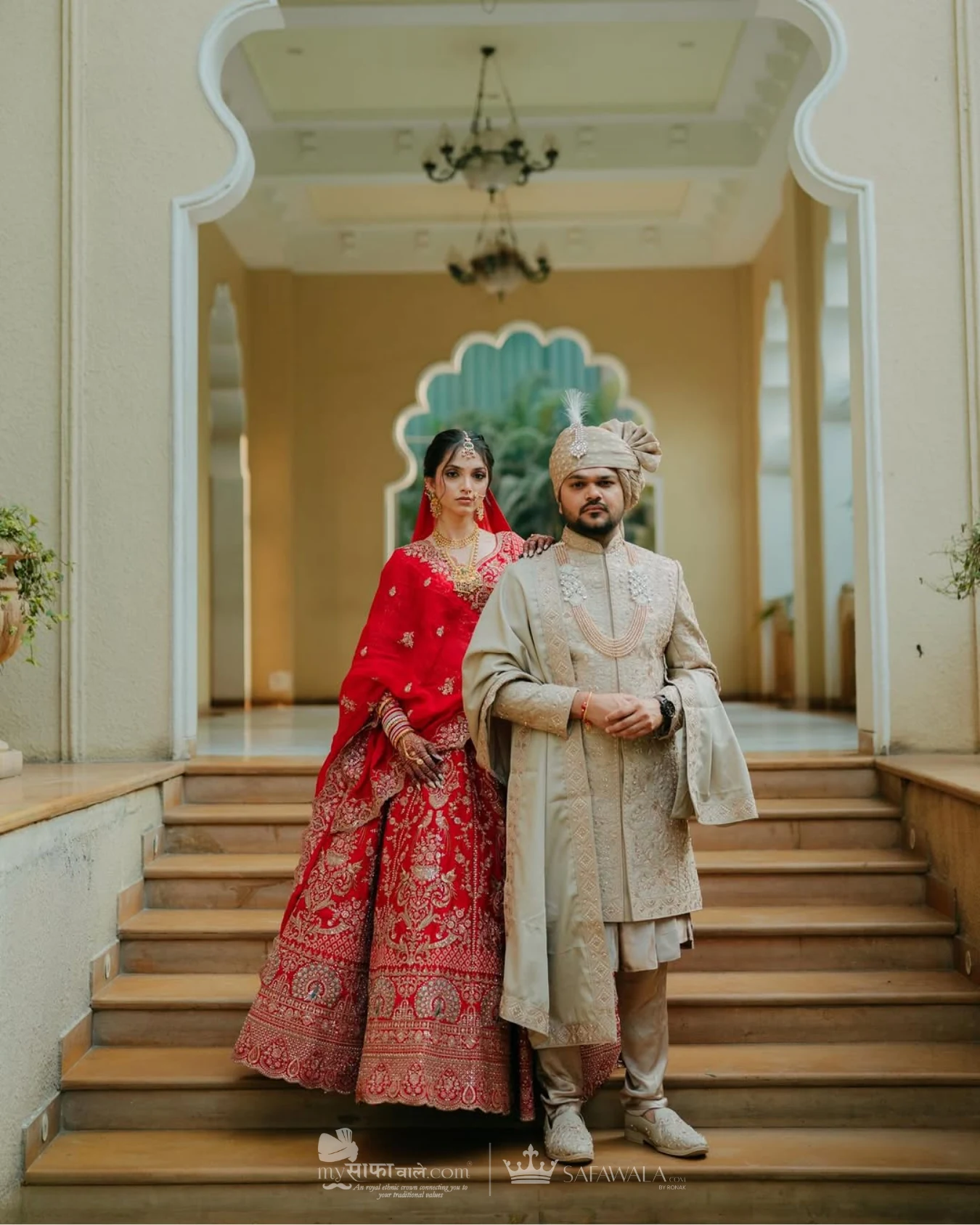
Styles such as Rajasthani, Jodhpuri, Marwari and Bandhani each change the height, volume and colour impact of the finished safa. The right choice depends on the outfit, face profile and the setting the groom will be photographed in.
03Price, packages and booking
Cost is shaped by fabric, quantity, fold complexity, accessories and travel distance within Kenya. Sharing the date, venue, ready-by time and separate group counts lets us recommend an accurate package.
04What happens on the day in Kenya
A typical Kenya booking starts with the artists confirming the preparation room and laying out the agreed fabric before anyone sits down. The groom's session comes first and is treated with the most care — this is the look that appears in the most photographs, so kalgi, brooch or pearl placement is checked carefully against the sherwani and any headwear jewellery. Once that's done, the team moves to family members, working through a coordinated but faster fold, before finishing with the wider baraat as one organised batch. If the guest list is large, additional artists are brought in so the pace stays realistic rather than rushed. We also keep a small quantity buffer in reserve, since late fitting adjustments or an extra guest are common on the day. The goal throughout is a schedule that protects the ceremony start time — the groom is portrait-ready well before the main event, and the baraat is fully styled before the procession is due to leave.
05Planning your Kenya booking properly
Booking a wedding safa tying service in Kenya works best when you share three things upfront: your date, your venue, and a rough headcount split between groom, family and baraat. From there, we can recommend a realistic artist count and a fabric direction that suits both your outfits and the venue's lighting. It's worth sharing outfit references early too — a photo of the sherwani, or the colour palette for the wider celebration — since this shapes the safa colour recommendation far more usefully than a colour name alone. If your Kenya wedding includes more than one function, such as a sangeet or haldi alongside the main ceremony, mention every date together rather than booking them separately; this usually works out both cheaper and easier to schedule, since the same team can plan around all of them at once. We'd also recommend confirming your booking a few weeks ahead during peak wedding season, since Kenya dates during the busiest months fill up faster than off-season ones.